

Lean Six Sigma for Oil and Gas Operations
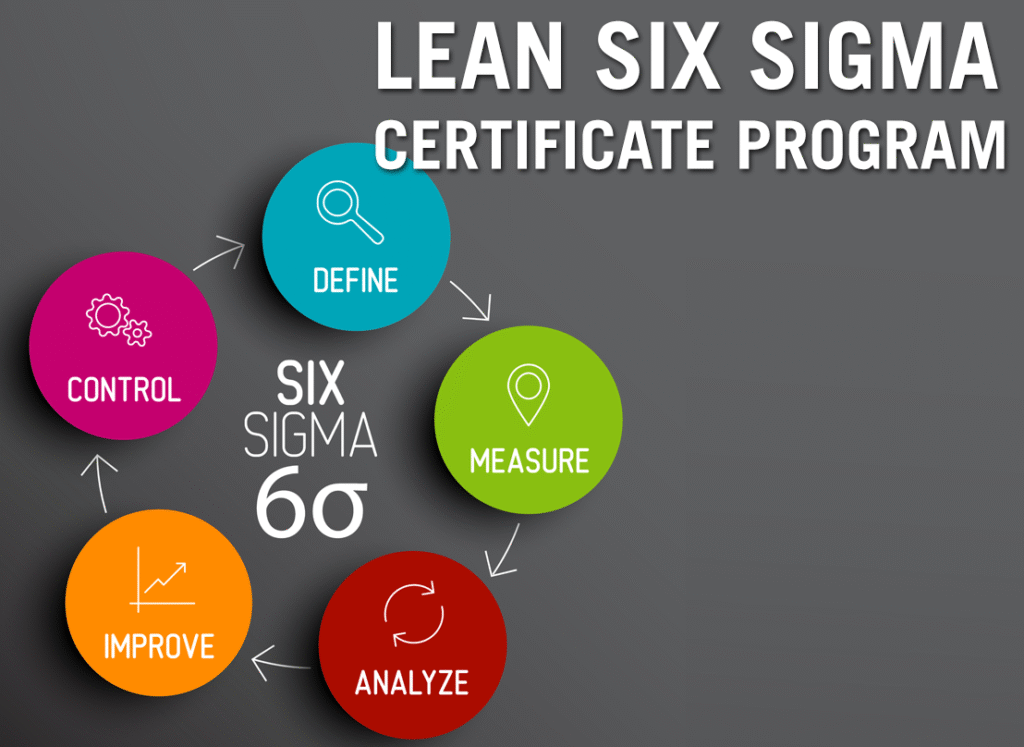
Lean Six Sigma for Oil and Gas Operations Excellence Maximizing Efficiency Safety and Profitability
Lean Six Sigma for oil and gas operations empowers organizations to achieve operational excellence, reduce costs, and improve safety and compliance across the entire value chain. By combining Lean’s efficiency-driven methodology with Six Sigma’s data-focused quality control, oil and gas companies can optimize upstream, midstream, and downstream processes while ensuring sustainable growth.
Streamlining Upstream Operations
In exploration and drilling, Lean Six Sigma helps reduce cycle times, eliminate process bottlenecks, and improve resource allocation. Tools like process mapping and root cause analysis ensure faster rig mobilization, efficient drilling schedules, and higher well productivity.
Enhancing Refining and Processing Efficiency
Lean Six Sigma is applied to refining, petrochemical, and processing operations to minimize energy loss, reduce process variability, and improve product yield. Standardized procedures and continuous monitoring improve plant efficiency while maintaining high-quality outputs.
Optimizing Midstream Logistics and Supply Chain
Pipeline operations, storage, and transportation often face delays, bottlenecks, and asset underutilization. Lean Six Sigma identifies inefficiencies, reduces downtime, and optimizes material flow, ensuring timely delivery of oil and gas products to customers.
Reducing Operational Risk and Ensuring Safety
Safety is a critical aspect of oil and gas operations. Lean Six Sigma enables proactive identification of risks, consistent monitoring, and structured corrective actions. This reduces incidents, improves compliance with safety regulations, and promotes a culture of risk awareness.
Predictive Maintenance and Asset Reliability
Using data-driven analytics and Six Sigma tools, organizations can implement predictive maintenance programs for critical assets like rigs, compressors, and pipelines. This reduces unplanned downtime, lowers maintenance costs, and extends equipment life.
Energy and Cost Optimization
Lean Six Sigma helps identify energy wastage, overproduction, and unnecessary operational steps. Process improvements lead to significant cost savings, better resource utilization, and higher operational ROI.
Data-Driven Performance Monitoring
Dashboards, KPIs, and real-time analytics allow leaders to track performance across exploration, production, refining, and distribution. Lean Six Sigma ensures informed decision-making, quicker problem resolution, and continuous process optimization.
Improving Environmental Compliance and Sustainability
With environmental regulations becoming stricter, Lean Six Sigma helps reduce emissions, optimize waste management, and implement eco-friendly processes. Sustainable practices enhance corporate responsibility while lowering environmental risks.
Building a Culture of Continuous Improvement
Lean Six Sigma empowers employees at all levels to identify improvement opportunities, solve problems systematically, and sustain operational excellence. This cultural transformation ensures long-term performance gains and competitive advantage.
Achieving Competitive Advantage in the Oil and Gas Industry
Organizations implementing Lean Six Sigma in oil and gas operations achieve measurable improvements in productivity, safety, quality, and profitability. Optimized processes, higher asset utilization, and reduced operational risk translate into stronger market positioning and long-term growth.
For More Information:
 Follow us on Facebook
#LeanSixSigma #OilAndGas #EnergyIndustry #OilAndGasOperations #OperationalExcellence #ProcessImprovement #ContinuousImprovement #DMAIC #LeanManagement #SixSigmaMethodology #QualityImprovement #ProcessOptimization #PerformanceImprovement #BusinessExcellence #OperationalEfficiency #CostOptimization #WasteReduction #ProcessExcellence #AssetManagement #ReliabilityEngineering #BusinessTransformation