

Lean Six Sigma Leadership Skills
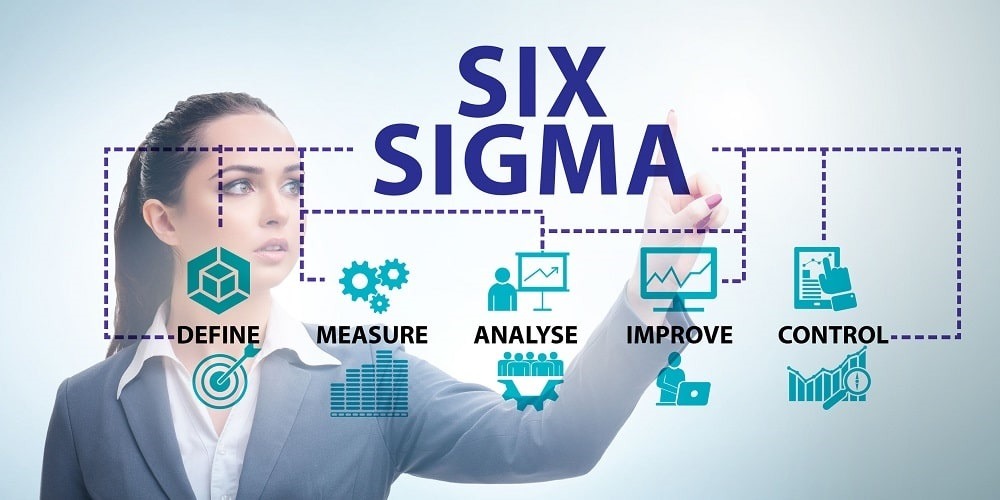
Lean Six Sigma Leadership Skills for Driving Sustainable Excellence
Lean Six Sigma Leadership Skills focus on developing leaders who can guide teams through data-driven decision-making, continuous improvement, and cultural transformation. These skills enable leaders to align people, processes, and performance with organizational goals while delivering measurable business results.
Leading a Culture of Continuous Improvement
Lean Six Sigma leaders play a critical role in building a culture where continuous improvement becomes a daily habit. They encourage employees to identify inefficiencies, eliminate waste, and improve quality using structured methodologies such as DMAIC. Strong leadership ensures improvement initiatives are sustained over the long term.
Data-Driven Decision Making and Strategic Thinking
Leadership skills in Lean Six Sigma emphasize the ability to make decisions based on data rather than assumptions. Leaders learn how to interpret performance metrics, analyze root causes, and prioritize improvement opportunities that align with strategic business objectives and customer expectations.
Influencing Teams and Managing Change Effectively
Successful Lean Six Sigma leaders understand how to manage resistance and guide teams through change. By applying structured change management principles, leaders gain the ability to communicate purpose, gain stakeholder buy-in, and ensure smooth implementation of improvement initiatives without disrupting operations.
Coaching and Developing High-Performance Teams
Lean Six Sigma Leadership Skills include coaching team members to apply problem-solving tools effectively. Leaders learn how to mentor Green Belts and Black Belts, foster collaboration, and empower teams to take ownership of improvement projects, resulting in stronger engagement and better outcomes.
Aligning Improvement Projects With Business Goals
Leaders trained in Lean Six Sigma understand how to select and prioritize projects that deliver real business value. They ensure improvement initiatives support cost reduction, productivity enhancement, customer satisfaction, and profitability, rather than isolated process improvements.
Risk Management and Sustainable Process Control
Lean Six Sigma leaders develop the ability to anticipate risks and maintain process stability. By applying control plans, performance monitoring, and standardization practices, leaders ensure improvements are sustained and risks are proactively managed across the organization.
Building Organizational Excellence Through Leadership
Lean Six Sigma Leadership Skills help leaders create a disciplined, results-oriented organization. By combining leadership principles with proven improvement methodologies, leaders drive operational excellence, strengthen accountability, and position the organization for long-term success in competitive markets.
For More Information:
 Follow us on Facebook
#LeanSixSigma #LeadershipSkills #LeanLeadership #OperationalExcellence #ProcessImprovement #ContinuousImprovement #DMAIC #LeanManagement #SixSigmaMethodology #QualityImprovement #ProcessOptimization #PerformanceImprovement #BusinessExcellence #OperationalEfficiency #ProcessExcellence #TeamLeadership #ChangeManagement #LeanCulture #ProfessionalDevelopment #CorporateTraining #BusinessTransformation