

Lean Six Sigma in software development lifecycle
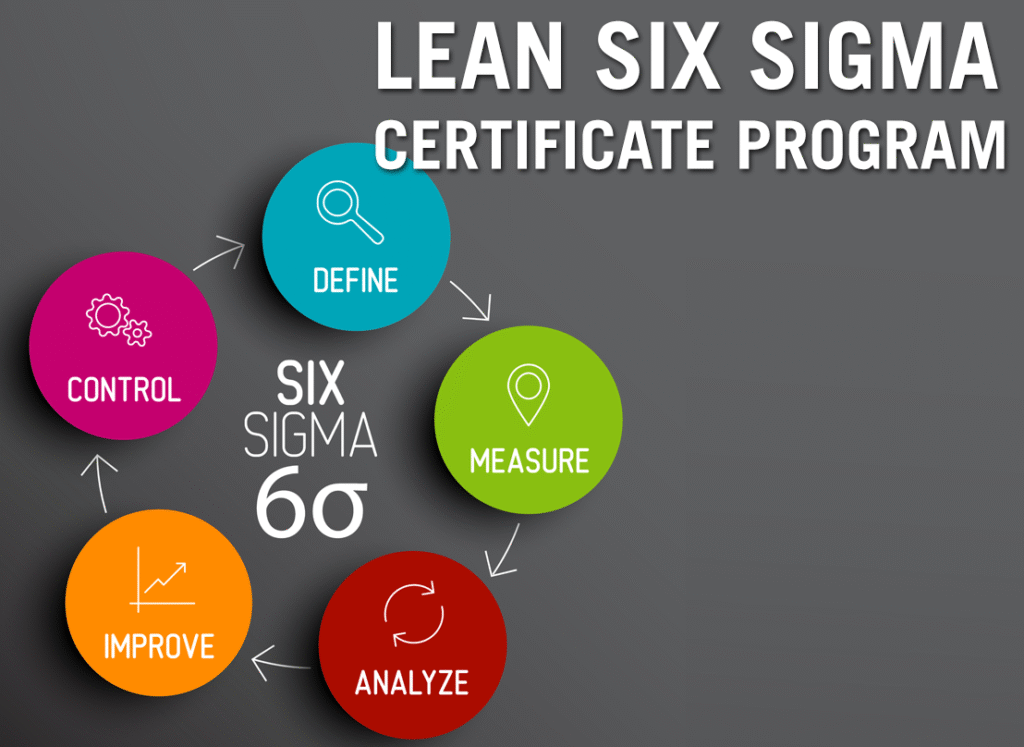
Software Delivery with Lean Six Sigma in the Software Development Lifecycle
In today’s fast-paced digital environment, software organizations must deliver high-quality products quickly while controlling costs and minimizing defects. Lean Six Sigma in the Software Development Lifecycle (SDLC) provides a structured, data-driven approach to improving development efficiency, reducing rework, and enhancing customer satisfaction. By combining Lean’s focus on flow and waste reduction with Six Sigma’s emphasis on quality and defect prevention, organizations can build more reliable and scalable software systems.
Improving Requirement Clarity and Project Planning
Lean Six Sigma helps improve the early stages of the SDLC by reducing ambiguity in requirements and strengthening project planning. Tools such as Voice of the Customer (VoC), SIPOC, and process mapping ensure that customer needs are clearly translated into functional and technical requirements. This reduces scope creep, rework, and misunderstandings during later development phases.
Reducing Waste and Cycle Time in Development Processes
Software development often includes hidden waste such as unnecessary approvals, excessive documentation, waiting time, and rework. Lean Six Sigma identifies and eliminates these non-value-added activities. Techniques like value stream mapping, work-in-progress limits, and flow optimization help reduce development cycle time and accelerate product releases without compromising quality.
Enhancing Code Quality and Defect Prevention
Six Sigma methodologies focus on preventing defects rather than fixing them later. By applying DMAIC, root cause analysis, and defect trend analysis, development teams can reduce bugs, improve code stability, and increase first-time-right delivery. Statistical analysis and quality metrics support continuous monitoring and improvement throughout the SDLC.
Strengthening Testing and Quality Assurance
Lean Six Sigma improves testing efficiency by aligning test strategies with risk-based priorities. Process standardization, test automation optimization, and defect leakage analysis help teams identify critical failure points early. This results in fewer production issues, reduced regression effort, and improved overall system reliability.
Optimizing Deployment and Release Management
Deployment delays and post-release defects can significantly impact customer experience. Lean Six Sigma supports smoother deployments by standardizing release processes, minimizing handoffs, and improving change management controls. These practices reduce downtime, improve deployment predictability, and ensure stable software releases.
Supporting Agile, DevOps, and Continuous Improvement
Lean Six Sigma complements Agile and DevOps practices by providing structure, measurement, and problem-solving discipline. While Agile focuses on speed and flexibility, Lean Six Sigma ensures consistency, quality, and data-driven decision-making. Together, they enable continuous improvement across development, testing, and operations.
Building a Culture of Quality and Process Excellence
Successful adoption of Lean Six Sigma in software development goes beyond tools and techniques. It promotes a culture where teams proactively identify issues, analyze root causes, and implement sustainable improvements. Training developers, testers, and managers in Lean Six Sigma principles ensures long-term performance gains and ownership of quality outcomes.
Delivering Business Value Through Improved Software Processes
By applying Lean Six Sigma in the Software Development Lifecycle, organizations achieve faster delivery, improved software quality, reduced costs, and higher customer satisfaction. This structured approach enables software teams to scale efficiently, adapt to changing requirements, and deliver consistent business value in competitive digital markets.
For More Information:
 Follow us on Facebook
#LeanSixSigma #LeanSixSigmaSDLC #SoftwareDevelopmentLifecycle #SDLCImprovement #AgileAndSixSigma #ProcessImprovement #QualityEngineering #DefectReduction #ContinuousImprovement #OperationalExcellence #SoftwareQuality #ProcessOptimization #LeanIT #SixSigmaForIT #DataDrivenDevelopment #RootCauseAnalysis #PerformanceImprovement #BusinessExcellence #DevOpsQuality #ProcessExcellence