

Lean Six Sigma for Managers
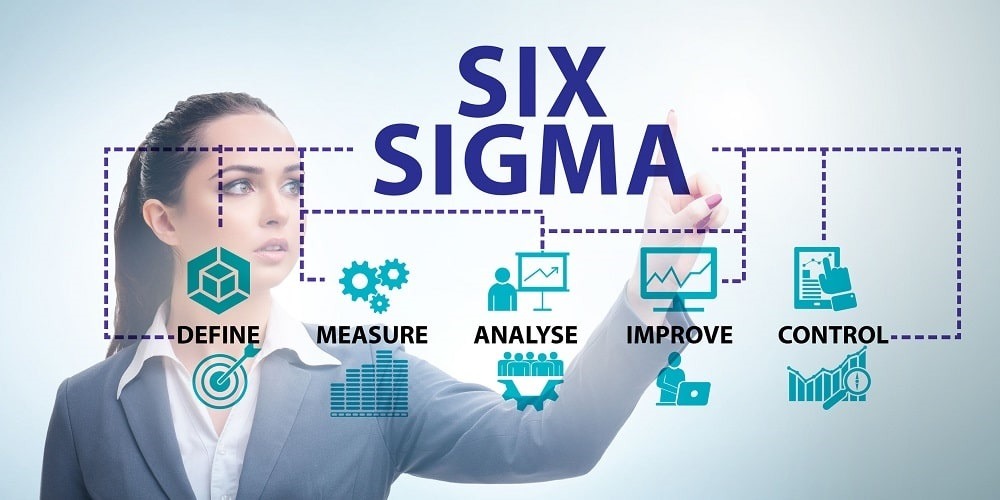
Lean Six Sigma for Managers to Drive Strategic Operational and Business Excellence
Lean Six Sigma for Managers focuses on enabling leaders to improve performance by aligning process excellence with organizational goals. This approach helps managers move beyond day-to-day firefighting and adopt structured methods to enhance efficiency, quality, and customer value. By combining Lean speed with Six Sigma precision, managers gain the ability to lead sustainable improvements across teams and functions.
Strategic Role of Managers in Lean Six Sigma Adoption
Managers are key drivers of transformation within organizations. Lean Six Sigma provides managers with a structured framework to identify improvement opportunities, prioritize initiatives, and ensure alignment with business objectives. This strategic involvement helps convert improvement projects into measurable business results rather than isolated operational fixes.
Data-Driven Decision-Making for Managerial Excellence
Lean Six Sigma strengthens a manager’s ability to use data for decision-making. By understanding process metrics, variation, and performance trends, managers can make informed choices that reduce risk and improve outcomes. This analytical mindset supports better planning, forecasting, and performance monitoring across departments.
Key Managerial Capabilities Built Through Lean Six Sigma
Managers develop essential leadership capabilities that support continuous improvement initiatives, including:
• Identifying root causes instead of treating symptoms
• Evaluating process performance using measurable indicators
• Balancing cost, quality, and delivery expectations
• Leading structured improvement discussions with teams
These capabilities help managers become confident problem-solvers and improvement leaders.
Improving Team Alignment and Accountability
Lean Six Sigma enables managers to clearly define goals, roles, and expectations within teams. Structured improvement frameworks help establish accountability while encouraging collaboration. Teams gain clarity on priorities, performance standards, and improvement targets, resulting in stronger execution and engagement.
Operational Efficiency Across Departments and Functions
Managers use Lean Six Sigma to streamline workflows that cut across functions such as operations, quality, supply chain, finance, and customer service.
• Eliminating non-value-added activities
• Reducing delays and rework
• Improving consistency and process stability
• Enhancing overall service and delivery performance
This cross-functional focus ensures improvements are sustainable and organization-wide.
Building a Culture of Continuous Improvement Through Leadership
Lean Six Sigma for Managers is not limited to tools and projects; it shapes leadership behavior. Managers trained in Lean Six Sigma encourage employee participation, structured problem-solving, and ongoing improvement. This leadership approach helps embed continuous improvement into daily operations and long-term business strategy.
For More Information:
 Follow us on Facebook
#LeanSixSigmaForManagers #LeanSixSigmaLeadership #ManagementTraining #ProcessImprovement #OperationalExcellence #LeanManagement #SixSigmaMethodology #QualityImprovement #ContinuousImprovement #BusinessExcellence #PerformanceImprovement #ProcessOptimization #ManagerialSkills #LeadershipDevelopment #DataDrivenManagement #OperationalEfficiency #LeanTransformation #SixSigmaProfessionals #StrategicImprovement #ManagementExcellence